
Information on mole checks
Skin cancer is the most common cancer in the UK with over 100,000 new cases every year. Mole checking involves a consultation and examination with a qualified specialist in dermatology to identify if any mole or skin lesions are abnormal and require treatment.
Most of our patients want the reassurance that their moles are normal and to be given advice on what to look for as it is very difficult to tell between normal and abnormal.
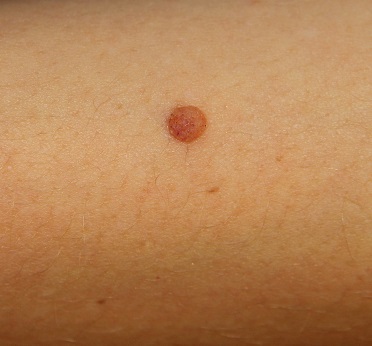
Normal Mole
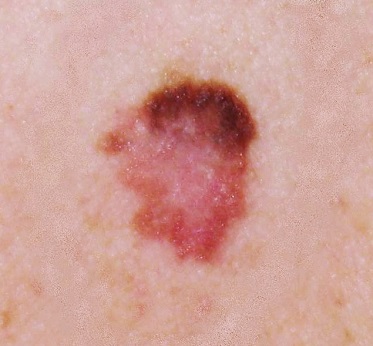
Melanoma Mole
What is done?
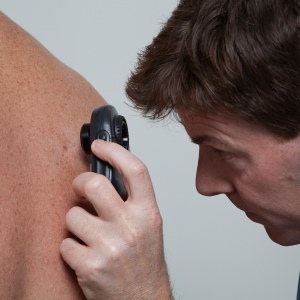
At your mole check the doctor will take a thorough history to assess your risk factors. The examination involves analysing any moles you may be concerned about as well a full body check to make sure there are no areas that are commonly missed such as the soles of the feet or the backs of legs.
Our clinic has recently introduced the latest high powered dermatoscope to examine your moles. This technique aims to identify moles which show early signs of skin cancer by analysing characteristics beneath the surface of the mole. This is an advanced technique recommended by the British Association of Dermatologists.
A Mole Check is recommended for anyone with abnormal, new or changing moles.
Benefits
Reassurance and peace of mind that your moles are ok or referral for treatment if necessary. Advice on what to look for as moles and skin cancer do evolve with advancing years.