Skin cancer is the most common cancer in the UK, according to Cancer Research UK, with over 100,000 new cases every year.
There are two main groups of skin cancer:
- melanoma and
- non-melanoma skin cancer (NMSC)
Skin cancer – melanoma
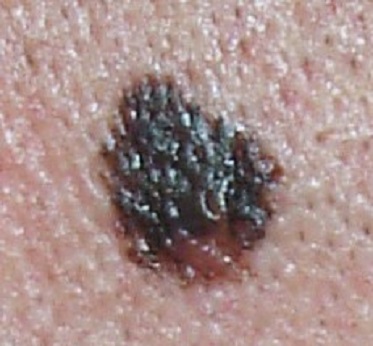
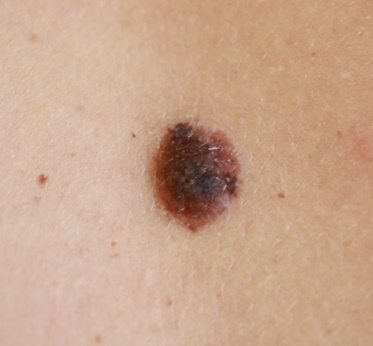
Melanoma is the least common skin cancer but it is potentially the most serious: there are over 8,000 new cases each year in the UK and 1,800 deaths. More people now die of melanoma in the UK than in Australia even though the overall incidence of melanoma is higher Down-Under. It is the second most common cancer in the young population (20 – 39 age group). The most common location for melanoma in men is the back. In women, it is the lower leg.
- Melanoma is the most common cancer in women ages 25 to 29.
- People with red and light hair, light skin tone, many moles and a history of sunburn or sunbed use are at highest risk of melanoma.
- Those with a family history of melanoma have double the risk of developing the disease
Melanoma Photos
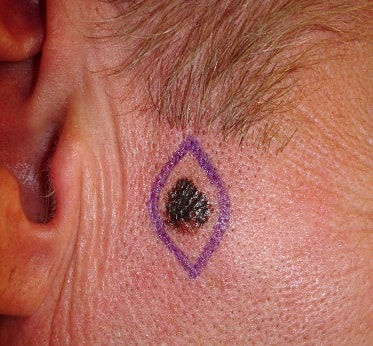
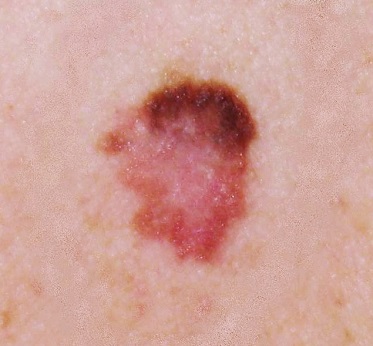
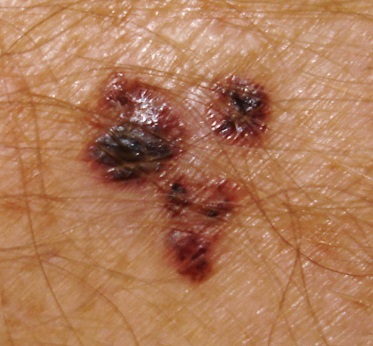
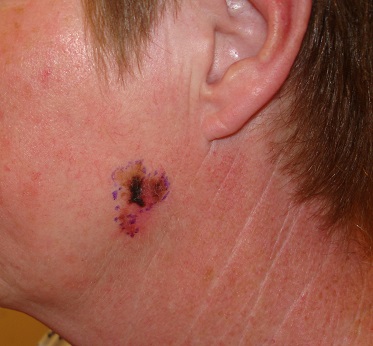
Skin cancer – non-melanoma skin cancers
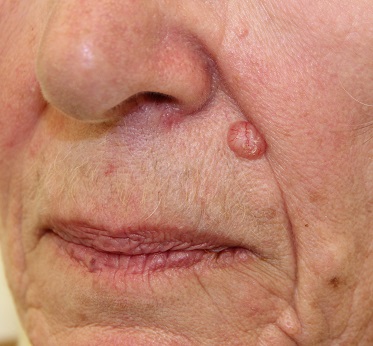
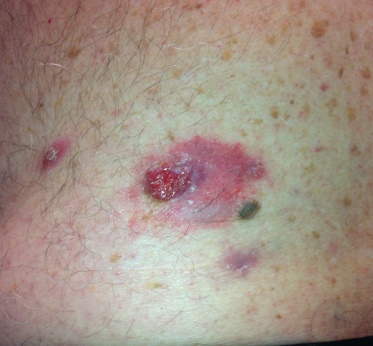
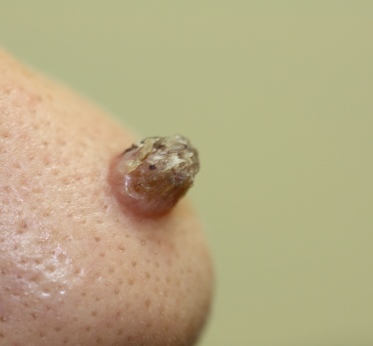
Non-melanoma skin cancers (NMSC) are the commonest skin cancers. The majority of these are called Basal Cell Carcinomas (also known as ‘rodent ulcers’ or BCCs).
These are usually localised growths caused by excessive cumulative exposure to the sun and do not tend to spread. In contrast, Squamous Cell Carcinomas (SCCs), which also occur on the skin, do have a propensity to spread to other parts of the body.
Non-Melanoma Skin Cancer Photos